

Nail Fungus Treatment: Causes, Effective Solutions, and Expert Guidance
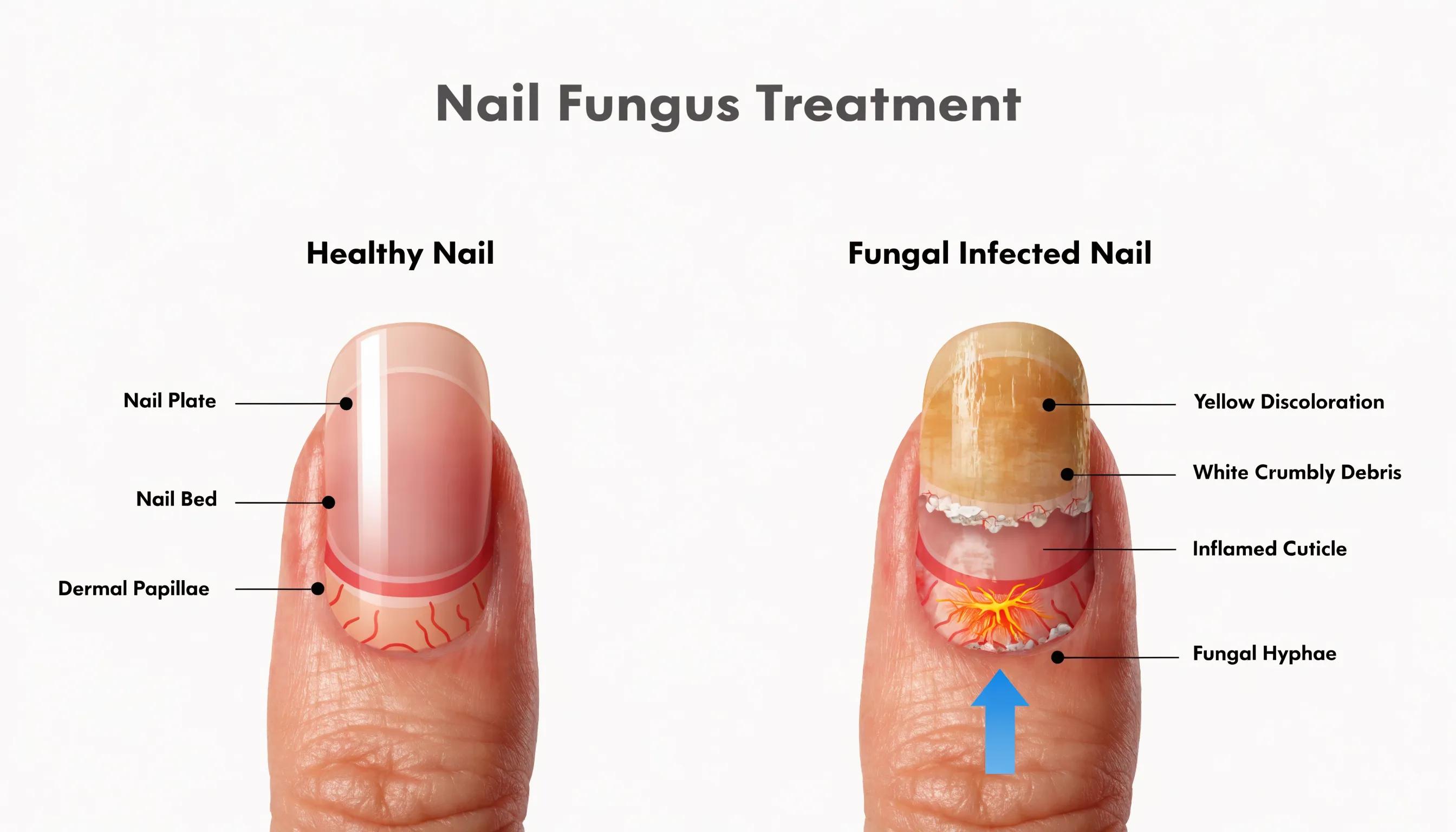
Nail fungus, medically known as onychomycosis, is a common condition affecting millions of people worldwide, often leading to discomfort and aesthetic concerns. This condition occurs when fungi invade the nail bed and nail plates, making effective treatment essential for relief and restoration. In this article, readers will gain a comprehensive understanding of the causes behind nail fungus, explore an array of treatment options, and learn preventive measures to avoid future infections. Fungal infections can be persistent and difficult to eliminate without proper intervention, making it crucial to address both symptoms and underlying factors contributing to their development. This guide will cover the causes of nail fungus, conventional treatment methods, the effectiveness of home remedies, as well as recommendations for seeking medical help.
What Causes Nail Fungus and How Is Onychomycosis Diagnosed?
Nail fungus develops primarily due to fungal infections, typically caused by various types of fungi that thrive in warm and moist environments. Recognizing the causative agents and diagnostic approaches plays a crucial role in effectively addressing and treating the condition.
Which Fungi Commonly Cause Onychomycosis?
Common types of fungi that cause onychomycosis include dermatophytes, which are the most prevalent, as well as yeasts and molds. Dermatophytes thrive on keratin, a protein found in nails and skin, while yeasts such as Candida can also invade the nail bed, particularly in individuals with compromised immune systems. Molds may cause infections as well, particularly in individuals who are exposed to contaminated environments. Understanding these pathogens is key to effective treatment strategies.
For a deeper dive into the specific pathogens and diagnostic methods, consider this detailed medical review.
Onychomycosis: Modern Diagnosis and Treatment Approaches
The medical term onychomycosis should be understood as chronic infection of the nails caused by a fungus. The most common causative agents are the dermatophytes andCandidaspecies. The less common are certain types of moulds (nondermatophyte moulds or NDMs). In approximately 60–80 % of the cases, onychomycosis is due to dermatophytes. Among dermatophytes, the most often isolated causative pathogen isTrichophyton (T.) rubrum. Other common species areT. interdigitale(formerlyT. mentagrophytes),Epidermophyton floccosum, andT. tonsurans. The most significant yeasts causing onychomycosis areCandida albicansandCandida parapsilosis. Predisposing factors for onychomycosis include mainly diseases such as diabetes mellitus, peripheral vascular arterial disease, chronic venous insufficiency, polyneuropathies of diverse etiologies, and immunosuppression, e.g., myeloproliferative diseases (such as lymphoma and paraproteinemia), HIV/AIDS, etc. Other factors facilitating the fungal infection are frequent trauma in professional sportsmen, often accompanied by excessive perspiration. The diagnostic methods that are often applied in different dermatologic departments and ambulatory units are also different. This precludes the creation of a unified diagnostic algorithm that could be used everywhere as a possible standard. In most of the cases, the method of choice depends on the specialist’s individual experience. The therapeutic approach depends mostly on the fungal organism identified by the dermatologist or mycologist. This review hereby includes the conventional as well as the newest and most reliable and modern methods used for the identification of the pathogens causing onychomycosis. Moreover, detailed information is suggested, about the choice of therapeutic scheme in case whether dermatophytes, moulds, or yeasts have been identified as causative agents. A thorough discussion of the schemes and duration of the antifungal therapy in certain groups of patients have been includ Onychomycosis: modern diagnostic and treatment approaches, 2013
What Are the Key Symptoms and Diagnostic Procedures for Nail Fungus?
Key symptoms of nail fungus can include discoloration of the nail, thickening, and brittleness, which may lead to pain or discomfort. Diagnosing onychomycosis typically involves a clinical examination performed by a healthcare professional. Diagnostic procedures may include nail clippings or samples being sent for laboratory analysis to confirm the presence of fungal elements. Early diagnosis is essential for effective management and treatment of nail fungus.
What Are Conventional Antifungal Treatment Options for Nail Fungus?
Conventional antifungal treatments for nail fungus are usually categorized into topical and oral medications. Utilizing these treatments effectively can significantly improve outcomes for those affected by onychomycosis.
How Do Topical Antifungal Medications Work to Treat Onychomycosis?
Topical antifungal medications are designed to be applied directly to the nail and surrounding skin. These treatments work by penetrating the nail and targeting the fungi. Common topical antifungals include ciclopirox and amorolfine, which disrupt the fungal cell membranes and inhibit fungal growth. Their effectiveness can vary based on the severity and extent of the infection as well as adherence to treatment protocols.
What Are the Benefits and Risks of Oral Antifungal Drugs?
Oral antifungal medications, such as terbinafine and itraconazole, are often prescribed for more severe or resistant cases of nail fungus. The primary benefit of these medications is their ability to reach the fungus in the nail matrix through systemic absorption, offering potentially quicker and more comprehensive results. However, risks may include side effects such as liver toxicity and drug interactions, making it vital to work closely with a healthcare provider throughout treatment.
For further reading on the efficacy of oral antifungals for severe or chronic cases, consult this resource.
Optimal Management of Fungal Nail Infections
Onychomycosis is a fungal infection affecting the nail bed and nail plate; it may be chronic and can be difficult to treat. In instances where the superficial fungal infection is severe or chronic, an oral antifungal agent should be considered. Terbinafine, itraconazole, and fluconazole are oral antifungals that are effective in the treatment of superficial mycoses. Optimal management of fungal infections of the skin, hair, and nails, 2004
How Does Laser Therapy Compare to Conventional Treatments for Nail Fungus?
Laser therapy has emerged as an alternative option for treating nail fungus, offering distinct advantages over conventional treatments. This technique utilizes focused laser light to target and destroy fungal organisms directly within the nail bed, providing a non-invasive method for those seeking effective relief.
What Are the Mechanisms and Advantages of Laser Treatment for Onychomycosis?
Laser treatment works by emitting a specific wavelength of light that penetrates the nail without damaging adjacent tissues. The energy from the laser heats and disrupts the fungal cells, leading to their destruction. Advantages include a quick treatment time with minimal discomfort and side effects, as well as the potential for rapid recovery compared to traditional antifungal therapies.
What Do Recent Clinical Studies Reveal About Laser Versus Oral Antifungal Therapy?
Recent clinical studies indicate that while laser therapy can provide successful outcomes, its effectiveness can vary depending on the case and individual response. Some studies show comparable success rates to oral antifungal therapy, although more extensive research is needed to confirm these findings. Patients should discuss all available treatment options, including laser therapy, with their healthcare providers to determine the best approach for their specific circumstances.
Can Home Remedies Effectively Treat and Prevent Toenail Fungus?

Home remedies for toenail fungus, while popular, often lack substantial scientific backing. However, some natural remedies and preventive measures can contribute positively to overall nail health and potentially aid in fungal management.
Which Natural Compounds Are Popular and What Is the Clinical Evidence?
Popular natural remedies include tea tree oil, apple cider vinegar, and garlic. Tea tree oil possesses antifungal properties and has shown promise in some studies, suggesting it may help alleviate symptoms of nail fungus. Apple cider vinegar is often used for its acidity, which may create an unfavorable environment for fungi. While anecdotal evidence supports these natural compounds, further clinical studies are essential to establish their effectiveness definitively.
What Preventive Measures Can Reduce the Risk of Nail Fungal Infections?
Preventing nail fungal infections involves maintaining proper nail hygiene and care, which can significantly reduce risk factors. Key preventive measures include:
- Maintain Dryness: Keep feet dry by changing wet socks promptly and using antifungal powder in shoes.
- Wear Breathable Footwear: Choose shoes that allow air circulation to minimize moisture buildup.
- Practice Good Hygiene: Regularly trim nails and avoid sharing nail clippers or footwear to reduce transmission risk.
These practices form a foundation for preventing nail fungus and promoting overall nail health.
What Is the Expected Duration of Nail Fungus Treatment and Recovery Process?
Understanding the timeline for treatment and recovery is critical for managing expectations during the healing process. The duration can vary depending on the treatment method chosen and the severity of the infection.
How Long Does Each Treatment Type Typically Take to Show Results?
Topical antifungal treatments may take several weeks to months to show noticeable results, with continuous application often required for up to 6 months. Oral medications usually show more rapid results, often within a few weeks, but may require several months of treatment to fully resolve the infection. Laser therapy effects can be seen shortly after treatment, with ongoing improvement over the following months.
What Are the Stepwise Recovery Milestones and Follow-Up Care Recommendations?
Recovery milestones for nail fungus treatment involve closely monitoring changes in nail color and texture. Regular follow-ups with a healthcare professional are recommended to assess progress and adjust the treatment plan if necessary. Incorporating preventive measures during and after treatment will also help reduce the risk of reinfection, ensuring sustainable success in managing onychomycosis.
When Should Patients Seek Medical Consultation for Nail Fungus?
Timely medical consultation is crucial, especially when symptoms persist despite home treatments. Certain risk factors necessitate professional intervention for effective management.
What Risk Factors Necessitate Professional Diagnosis and Treatment?
Individuals with compromised immune systems, diabetes, or circulation issues should be particularly vigilant when it comes to nail fungus symptoms. Other reasons to consult a healthcare provider include persistent ulceration, severe pain, or if the infection affects multiple nails. Implementing early intervention strategies can greatly improve treatment outcomes and prevent complications.
How Does Early Intervention Improve Treatment Outcomes?
Early intervention often leads to better outcomes by allowing for faster implementation of effective treatment options. It can also mitigate the likelihood of the infection spreading to other nails or parts of the body. By proactively seeking care, individuals can significantly enhance their chances of a successful recovery from nail fungus.
