

Effective Hair Loss Treatment & Restoration: Comprehensive Solutions for Hair Regrowth and Care

Hair loss affects millions worldwide, posing both physical and emotional challenges. Effective treatment options depend on recognizing the specific type and cause of hair loss. This article delves into various hair loss treatments and restoration techniques, aimed at not only regrowth but also enhancing overall hair health. We will explore common types of hair loss, FDA-approved medical treatments, surgical techniques, emerging therapies, nutritional approaches, and the innovative method of scalp micropigmentation. Ultimately, understanding these solutions empowers individuals to make informed choices about their hair restoration journey.
Why Diagnosis Matters Before Starting Hair Loss Treatment
Hair loss can have many causes, including genetics, autoimmune conditions, stress, illness, medications, hormonal changes, nutritional deficiencies, scalp conditions, and styling practices. Because treatments vary depending on the cause, a dermatology evaluation is an important first step before choosing a treatment plan.
What are the Common Types and Causes of Hair Loss?
Hair loss can manifest in several ways, each with distinct causes and implications. The most common types of hair loss are androgenetic alopecia, alopecia areata, and telogen effluvium. Androgenetic alopecia, often referred to as male or female pattern baldness, results from genetic predisposition and hormonal changes. Alopecia areata is an autoimmune disorder where the body's immune system mistakenly attacks hair follicles, leading to patchy hair loss. Telogen effluvium occurs due to stress or significant life events causing temporary disruption of the hair growth cycle. Understanding these types aids in grasping the physiological effects on hair follicles and the need for tailored treatment strategies.
What role do alopecia areata and other types play in hair loss?
Alopecia areata significantly impacts hair loss patterns, characterized by sudden, patchy loss in one or more areas on the scalp or body. Aside from alopecia areata, androgenetic alopecia is prevalent, affecting both men and women, leading to gradual thinning. Given their differing causes—genetic for androgenetic alopecia and autoimmune for alopecia areata—treatment approaches vary. Recognizing these distinctions enhances treatment effectiveness, ultimately guiding individuals towards more precise solutions.
Which FDA-Approved Medical Treatments are Effective for Hair Loss?

FDA-approved treatments for hair loss offer viable solutions for many individuals. Minoxidil is a topical treatment that may help stimulate hair growth and slow further thinning in some patients. Results take time and continued use is usually needed to maintain benefits. Finasteride is FDA-approved for male pattern hair loss and works by reducing DHT, a hormone involved in hereditary hair thinning. Each treatment has its mechanisms and effects, making it essential for potential users to understand what to expect.
What are the side effects and considerations of finasteride treatment?
Finasteride works by blocking the hormone responsible for hair loss, which may yield significant results over time. However, potential side effects include decreased libido, erectile dysfunction, breast tenderness or swelling, and depression. These concerns necessitate careful consideration of the benefits versus risks, making consultations with healthcare professionals crucial before starting treatment. Individuals should weigh the effectiveness of finasteride against these possible adverse effects to make informed choices.
What Surgical Techniques are Available for Hair Restoration?
Some patients may explore surgical hair restoration or cosmetic camouflage options such as scalp micropigmentation. These services are not appropriate for every patient and may require referral to a specialist who focuses on hair restoration procedures. Surgical hair restoration techniques, notably hair transplants, include follicular unit transplantation (FUT), which involves removing a strip of skin for transplantation, and follicular unit extraction (FUE), which comprises harvesting individual hair follicles. Each method has unique benefits, recovery times, and patient suitability criteria.
How do outcomes vary and what should patients expect post-procedure?
Post-procedure outcomes can vary widely, with factors such as individual healing properties and adherence to aftercare impacting results. Typical recovery timelines may span from a few days to weeks before noticeable improvements appear. Patients should anticipate some degree of swelling and initial shedding of transplanted hair, commonly referred to as “shock loss.” Following necessary aftercare instructions significantly influences final outcomes, making informed patient expectations essential for satisfaction.
How Do Emerging Therapies and Technologies Enhance Hair Growth?
Innovative therapies, such as low-level laser therapy (LLLT) and platelet-rich plasma (PRP) therapy, offer optional and supportive hope for hair regrowth. LLLT utilizes specific wavelengths of light to stimulate hair follicles, potentially leading to increased density and thickness of hair for some patients. Meanwhile, PRP therapy involves drawing a patient’s blood, processing it to enrich for growth factors, and injecting it into the scalp to promote healing and hair growth. These treatments often require multiple sessions over time and are considered emerging options rather than guaranteed cures.
How effective is low-level laser therapy for stimulating hair follicles?
Low-level laser therapy has emerged as a promising non-invasive treatment, with studies suggesting that it can increase hair density and improve health by stimulating cellular activity in hair follicles for certain types of hair loss. Clinical evidence indicates varying levels of success, with patients experiencing differing results based on factors such as the severity of hair loss and treatment frequency. Candidates considering LLLT should consult with providers to determine personalized treatment plans that optimize results.
What Are Nutritional and Holistic Approaches to Support Hair Health?
Nutrition can support overall hair health, especially when a deficiency is present. A dermatologist may recommend lab work to check for factors such as thyroid disease, iron levels, vitamin deficiencies, or other medical contributors to hair loss. While some nutrients like biotin, omega-3 fatty acids, and vitamins A, C, and E are associated with healthy hair, supplementation is only beneficial if deficiencies exist. Additionally, managing stress through yoga, meditation, and adequate sleep contributes to overall well-being and can positively influence hair retention and quality.
How do lifestyle factors and scalp care promote hair retention?
Lifestyle factors deeply interconnect with hair health. Regular scalp massages can enhance blood flow, supporting follicle vitality, while a balanced diet enriched with vitamins and minerals ensures hair receives necessary nourishment. Moreover, hydration, limited heat styling, and avoidance of harsh chemicals contribute to stronger hair strands, fostering an environment conducive to growth. Embracing these practices not only aids in retention but can also bolster self-confidence.
What Is Scalp Micropigmentation and How Does It Supplement Hair Restoration?
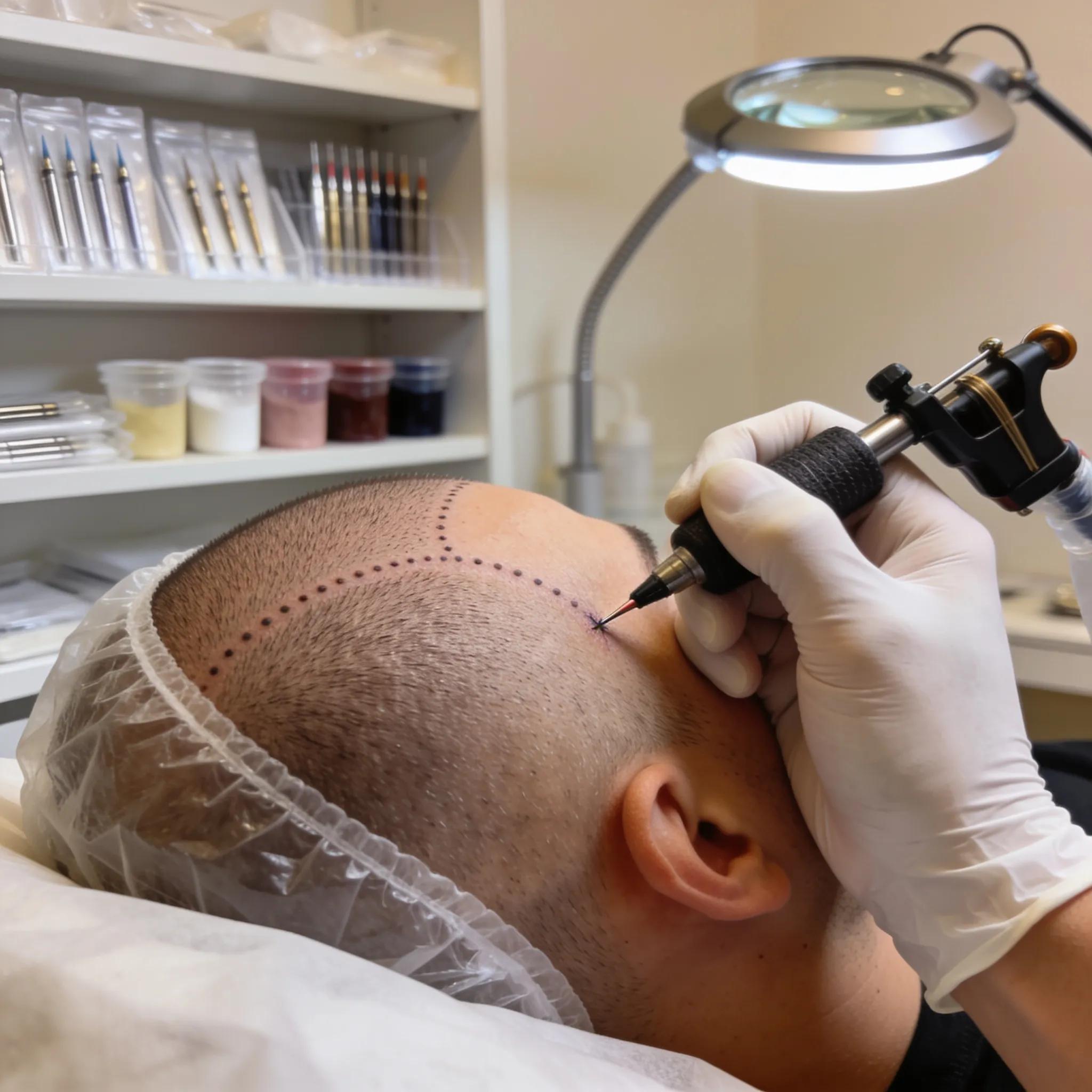
Some patients may explore cosmetic camouflage options such as scalp micropigmentation. This cosmetic tattooing technique creates the illusion of fuller hair by applying pigment to the scalp. Ideal for those experiencing thinning hair or bald spots, SMP can effectively camouflage these areas. This method serves as a complementary approach alongside other restoration techniques, enhancing appearance and confidence for individuals pursuing a holistic solution to hair loss.
Who is an ideal candidate for scalp micropigmentation?
Candidates for scalp micropigmentation typically include individuals with various hair loss conditions, including male and female pattern baldness, alopecia areata, or anyone wishing to disguise visible scalp. Ideal candidates should have realistic expectations regarding the results and potential longevity of the procedure. Additionally, those who may not be suited for surgical options due to cost, health factors, or recovery times might find scalp micropigmentation to be a more feasible alternative.
Conclusion
Tackling hair loss effectively involves recognizing individual needs and exploring various treatment options, from FDA-approved medications to holistic approaches. Each strategy, whether medical or natural, plays a crucial role in enhancing hair health and restoring confidence. By staying informed and considering these options, individuals can take proactive steps towards successful hair restoration. Discover the range of solutions available today and empower yourself to regain your hair and confidence.
This content is for educational purposes only and should not replace diagnosis or treatment from a licensed dermatology provider. Treatment options vary by patient and should be discussed with a healthcare professional.
